Discover how Liver King’s rise and downfall exposed the dark side of fitness influencing. A lesson in authenticity, steroids, and social media marketing gone wrong.
Introduction
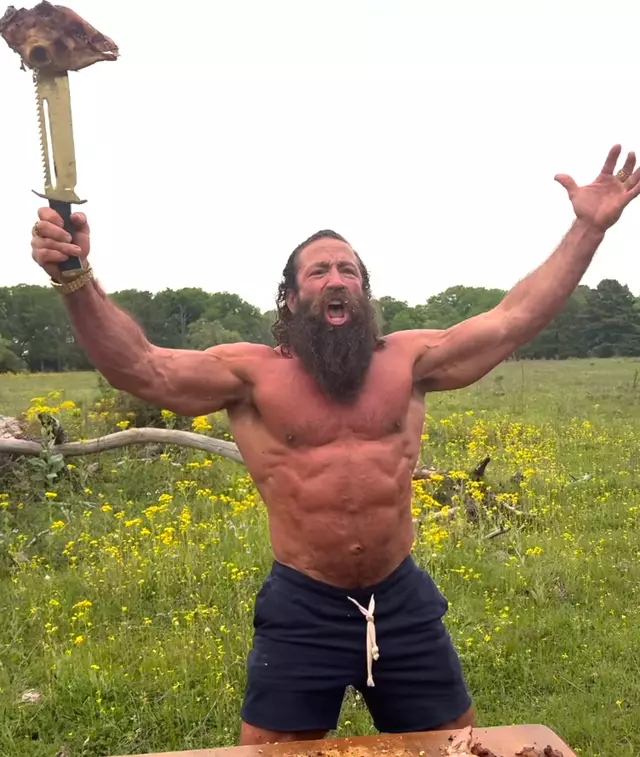
In the age of social media, fitness influencers can build empires overnight. But with great influence comes great responsibility — and sometimes, a spectacular fall. One of the most shocking examples is LIVER KING , a fitness influencer who claimed to live by ancestral principles and built his brand around raw organ consumption, natural bodybuilding, and primal living.His shredded physique and bold lifestyle attracted millions, making him an internet sensation. But behind the viral success was a truth that eventually shattered his empire — Liver King wasn’t as natural as he claimed.
The Rise of Liver King
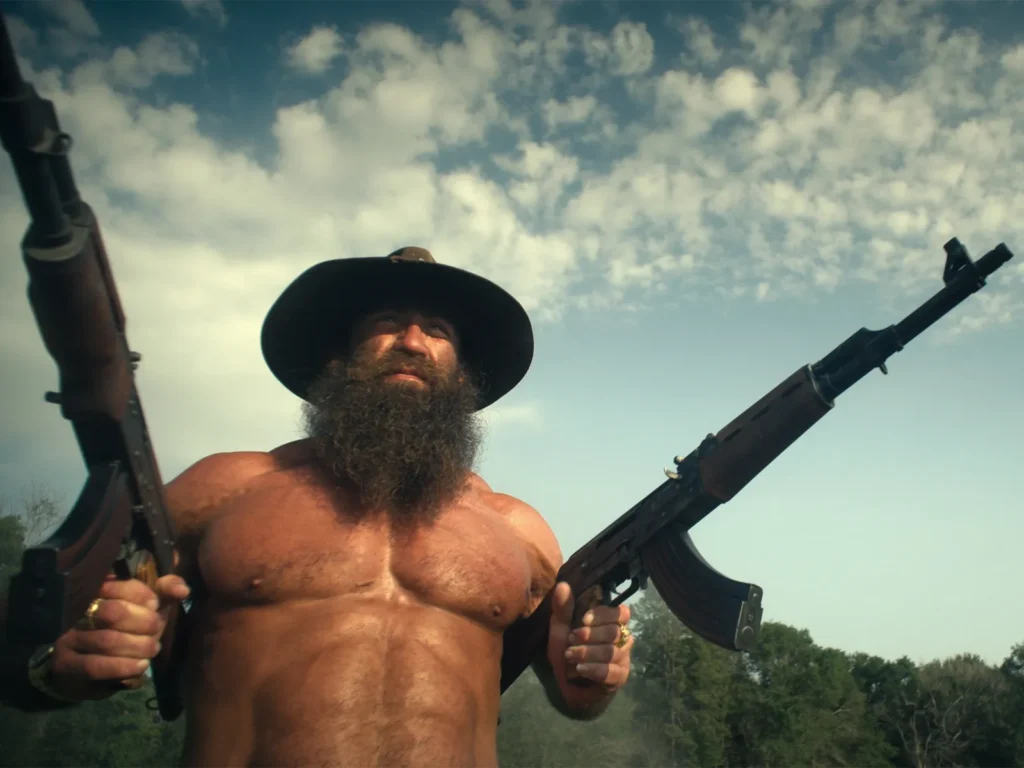
Before fame, Brian Johnson was a successful businessman. In 2021, he rebranded himself as “Liver King” and launched the Nine Ancestral Tenets — principles like sleep, movement, sunlight, and raw eating. His message was simple but powerful: “Live like your ancestors to look like a king.”
His marketing was genius. Shirtless videos, raw meat meals, and intense workouts made him impossible to ignore. Within months, he gained millions of followers on Instagram, YouTube, and TikTok. His supplement brand, Ancestral Supplements, began making over $100 million a year.
People didn’t just follow him for fitness advice — they believed in him. He represented rebellion against modern weakness. But that image was too perfect to be true.
How Social Media Built His Empire
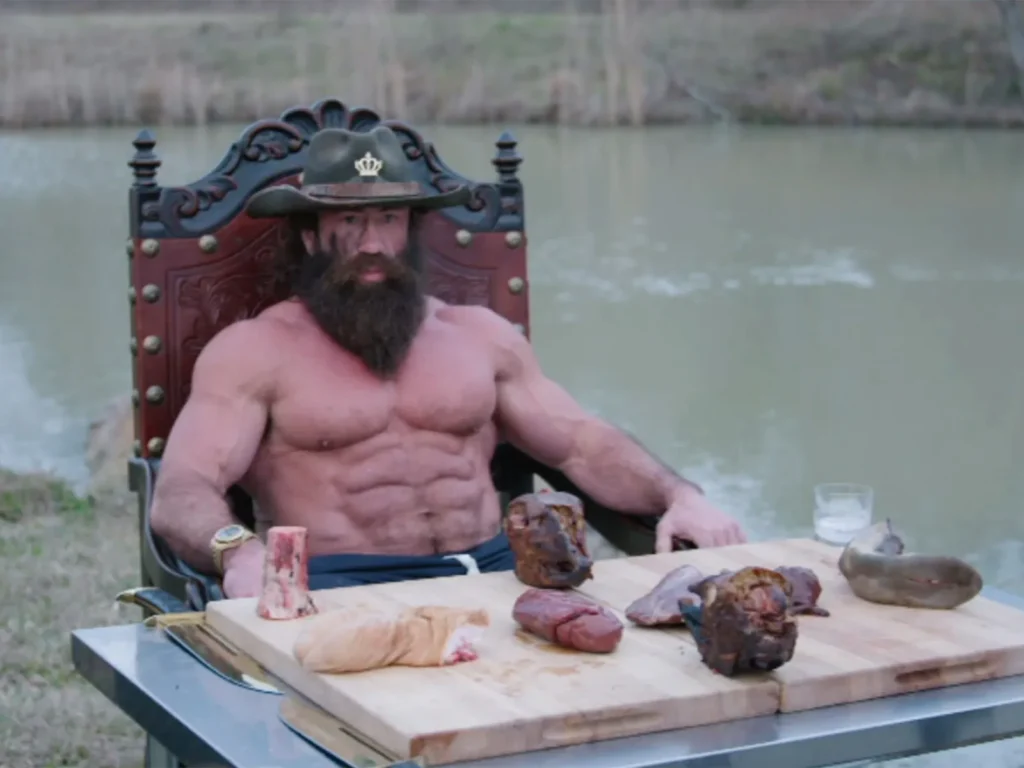
Liver King’s success wasn’t accidental — it was algorithm-driven mastery.
- He used shock value (eating raw liver on camera) to grab attention.
- His content followed a consistent “alpha male” narrative — dominance, discipline, primal energy.
- He collaborated with other big fitness creators, using their platforms to build credibility.
- His marketing team created a strong personal brand identity — the beard, the barbarian workouts, the primal slogans — everything about him screamed “unique.”
But this same overbranding made him vulnerable. The stronger the illusion, the harder it fell when truth surfaced.
The Scandal and Downfall
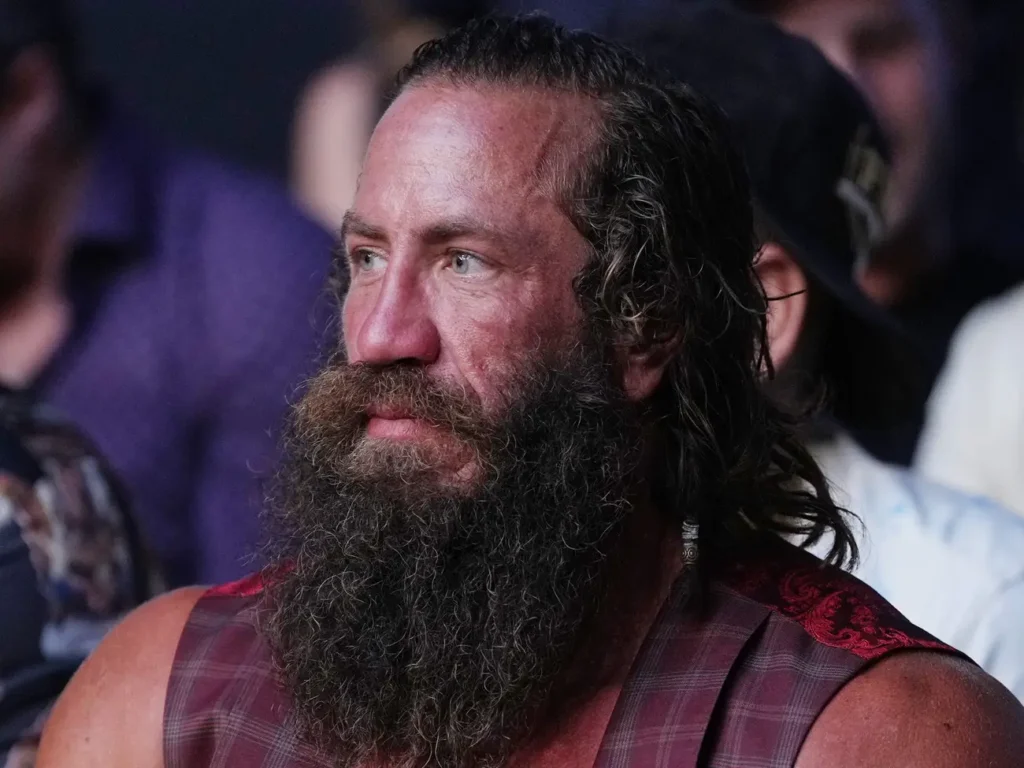
In late 2022, a YouTuber named Derek from “More Plates More Dates” leaked emails allegedly written by Liver King himself. These emails revealed detailed lists of steroid cycles costing over $10,000 a month — directly contradicting his public claims of being all-natural.
The internet erupted. Overnight, Liver King went from “fitness icon” to “fitness fraud.”
- Fitness experts called out his lies.
- Fans flooded his comments with anger and disappointment.
- Mainstream media like Rolling Stone and Men’s Health covered the scandal widely.
A few days later, he released a public apology video, admitting to using steroids and saying he had lied out of insecurity and pressure. While some appreciated his honesty, most saw it as damage control.
His credibility — the most valuable asset for any influencer — was gone.
What the Audience’s Reaction Revealed
Interestingly, not everyone “canceled” him completely. Many followers said they still admired his discipline and message, even if they felt betrayed. This mixed reaction revealed something powerful about social media audiences:
- Followers crave authenticity, but they also empathize with flaws.
- Once trust is broken, rebuilding it takes transparency, not marketing.
- People are tired of influencers selling “perfect” lifestyles — they want real journeys.
In the months following the scandal, Liver King tried to regain credibility by showing a more vulnerable, human side. But the internet doesn’t forget — especially when a brand was built on the opposite of honesty.
Other Influencers Who Helped Expose the Truth
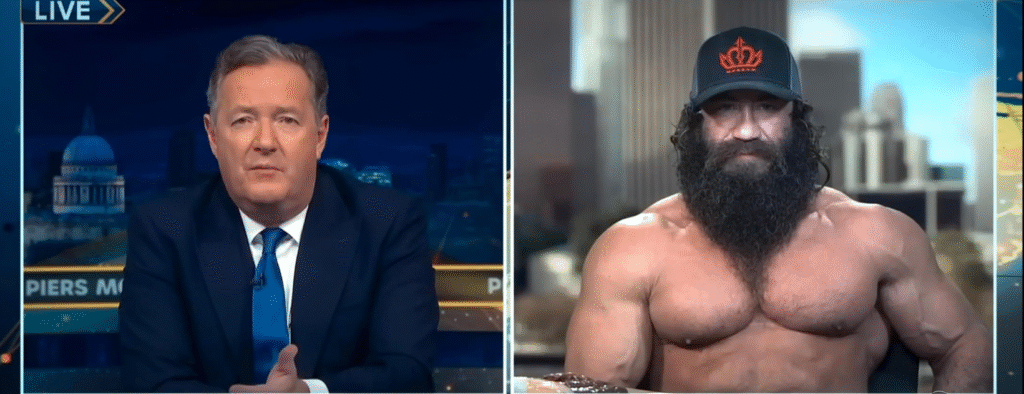
The truth about Liver King’s secret came to light because of Derek from the YouTube channel “More Plates More Dates.” Known for his deep dives into fitness science and supplement use, Derek investigated Liver King’s claims of being “natty” (natural) and found leaked emails showing detailed steroid cycles.
Following Derek’s viral revelation, many other fitness creators — including Jeff Nippard, Greg Doucette, and Coach Greg — discussed the scandal openly. They analyzed how influencers manipulate lighting, camera angles, and editing to look “superhuman.” These conversations educated millions of viewers and encouraged a wave of transparency in the fitness community.
It wasn’t just about one man’s lie anymore — it was about changing how fitness influence works online.
Lessons for Today’s Fitness Influencers
Liver King’s rise and fall hold important lessons for every fitness creator — especially those emerging from Gen-Z and the Indian influencer space.
- Authenticity is non-negotiable: Audiences can sense when something feels fake. Be transparent about your process, products, and limits.
- Don’t sell perfection: Fitness isn’t about instant results — it’s about consistency, patience, and health. Unrealistic claims destroy trust.
- Stay true to your niche: Don’t let viral trends or shock content define your identity. Build a long-term brand, not a moment of fame.
- Educate, don’t mislead: Use influence to inform, not manipulate. Fitness audiences appreciate honest science-backed information.
- Balance content and credibility: It’s tempting to post what performs well — but remember, reputation lasts longer than reach.
Conclusion
The downfall of Liver King wasn’t just about steroids — it was about the collapse of trust. In trying to sell an image of strength and authenticity, he forgot the very principle that audiences value most: honesty.
His story reminds us that in fitness — and in life — shortcuts always have a cost. Influence without integrity is temporary.
At SweatTheory.in, we believe real fitness comes from consistency, balance, and truth. Whether you’re lifting weights or building a brand, always remember: it’s better to inspire genuinely than to impress falsely.
Stay tuned for our next feature — “What Makes a Fitness Influencer Truly Authentic in 2025.”